

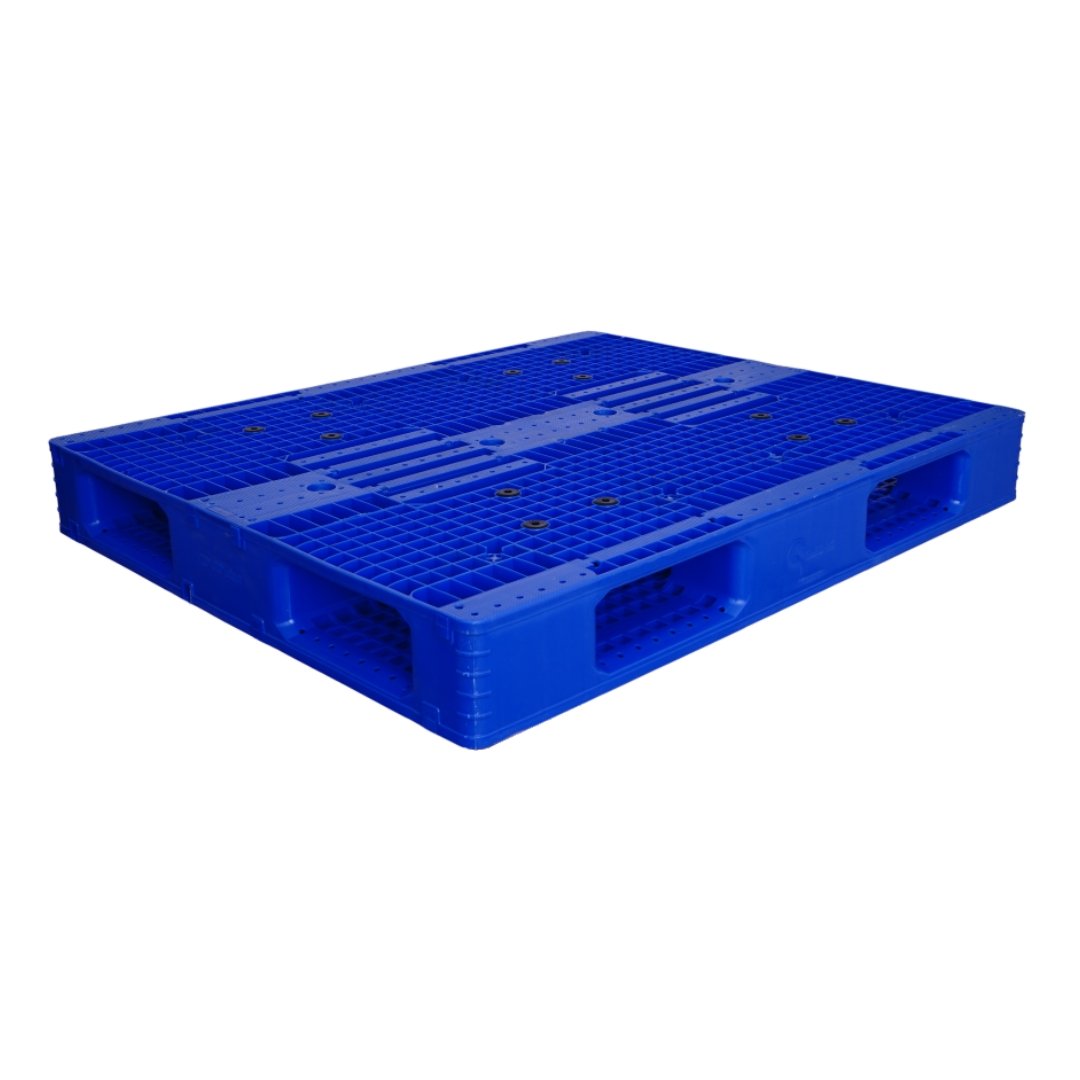
Reversible Pallets for Smarter Warehouse Handling
Modern warehouses need handling solutions that are dependable, reusable, and easy to manage. Reversible Pallets are designed to support goods during storage, movement, and distribution while offering flexibility for different handling requirements. Their two-sided construction makes them useful in operations where stability and repeated use matter.
Plastic Pallets can simplify routine handling when matched to suitable loads and equipment. Choosing Plastic for Pallets requires attention to material quality and application demands.
What Makes Reversible Pallets Useful?
The biggest advantage of Reversible Pallets is their balanced design. Both surfaces can be used for suitable handling applications, providing flexibility when loading or positioning goods. This can be especially helpful in busy facilities where pallets are moved frequently and need to remain practical throughout daily operations.
Built for Repeated Handling
Pallets are commonly selected for their consistent dimensions and resistance to moisture. They can be cleaned more easily than many traditional alternatives and are suitable for a range of industries. When the right specification is selected, they can support repeated handling with forklifts and pallet trucks.
The material used as Plastic for Pallets can influence strength, weight, durability, and operating performance. Selecting an appropriate material and pallet design helps businesses match the product to its working environment.
Improving Warehouse Efficiency
Efficient storage depends on how safely and consistently goods can be positioned. pallets can help businesses organise products, improve floor utilisation, and simplify movement between storage and dispatch areas. A suitable pallet design can also support smoother loading and unloading processes.
This design can be particularly useful where operations involve frequent rotation of goods. Its construction gives businesses another practical option for handling products across different areas of a facility.
Supporting Different Applications
Pallets can be used across manufacturing, distribution, retail, food-related operations, and general logistics, depending on the required specification. Their reusable construction can help businesses establish more organised handling cycles.
For companies evaluating pallet materials, important considerations include dimensions, load capacity, rack compatibility, handling equipment, and the conditions in which the pallet will be used.
Choosing the Right Pallet
Selecting the correct pallet should begin with the actual requirements of the operation. Businesses should consider product weight, stacking method, storage system, transportation distance, and handling equipment before making a decision.
This pallet design can provide useful flexibility when a facility needs a robust option for regular material movement. Its construction can support consistent handling while helping businesses maintain organised storage practices.
Practical Benefits for Daily Operations
pallets play an important role in keeping products elevated, accessible, and easier to move. When pallets are standardised across an operation, teams can plan storage spaces more efficiently and reduce unnecessary handling.
These reusable products can also be a practical choice for businesses looking for reusable handling equipment. Proper cleaning, inspection, and correct loading practices can help maintain pallet performance over time.
A Reliable Choice for Modern Logistics
These pallets combine practical design with the benefits of reusable handling equipment. For businesses managing regular warehouse movement, they can offer flexibility without making daily operations unnecessarily complicated.
With the right specification, these products can support storage, transportation, and distribution activities across a variety of environments. Material quality, pallet dimensions, and load requirements should always be matched to the application.
A suitable pallet system can contribute to a more organised material handling system when they are selected and used correctly. For businesses seeking a reusable solution, Reversible Pallets are worth considering as part of an efficient storage and distribution strategy.


